

Hamstring tendons
The semitendinosus tendon, sometimes together with the gracilis, is taken from the inner side of the knee and folded into strands.
Rehabilitation includes rebuilding strength in the muscles that bend the knee.
After an anterior cruciate ligament injury, the knee may give way, particularly when changing direction.
The choice between rehabilitation and reconstruction depends on episodes of instability, other injuries and the work or sport you want to return to.
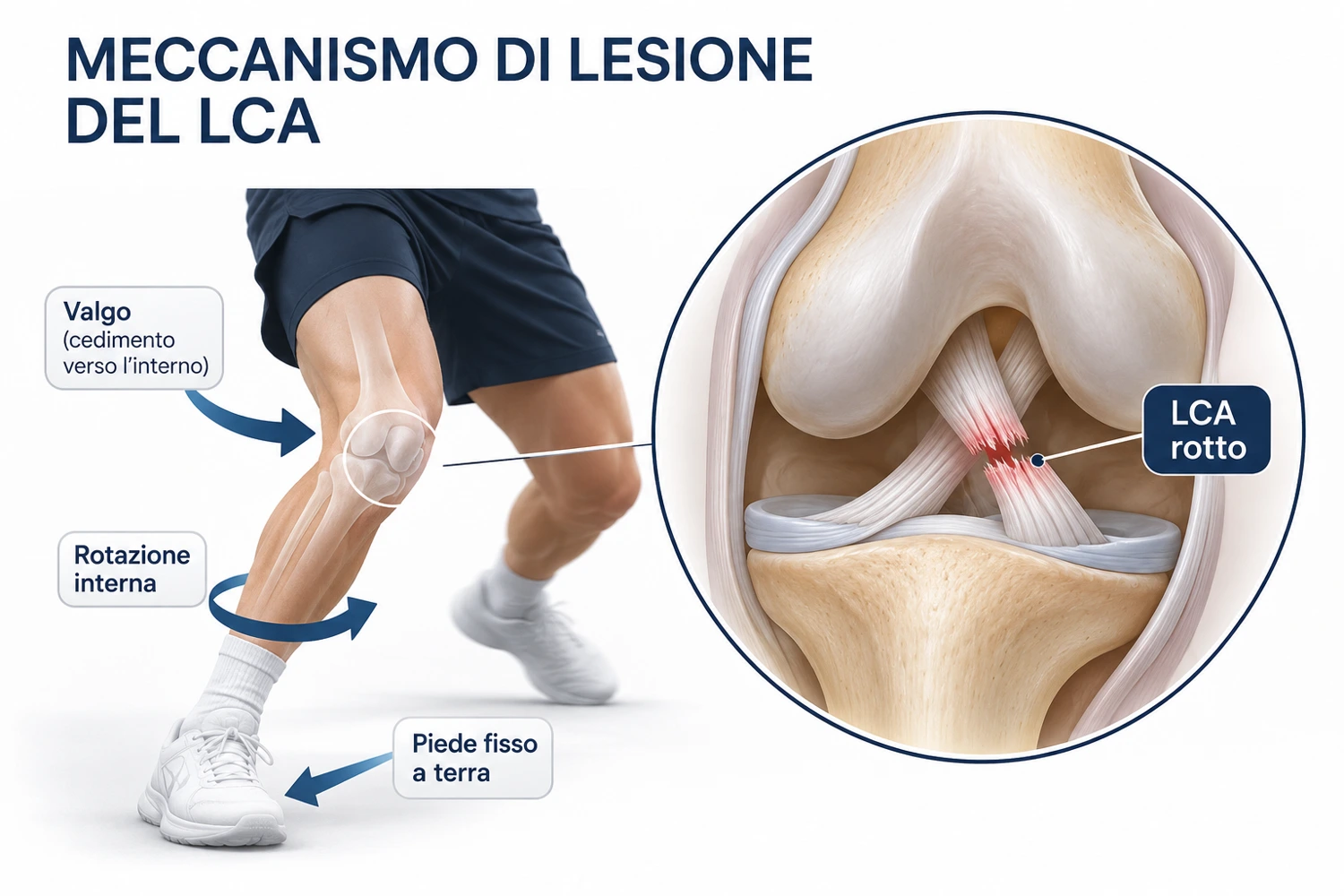
Reconstruction is considered when the knee repeatedly gives way, when there is an associated meniscus injury or when you want to return to sports involving jumps and changes of direction.
For people with lower sporting demands, including older adults whose knee remains stable in everyday life, a rehabilitation programme may be an option.
During arthroscopic reconstruction, the surgeon places a graft to replace the torn ligament and secures it to the thigh bone and shin bone.
The graft can come from one of your own tendons (an autograft) or, in selected cases, from a donor (an allograft).
An autograft is generally preferred for younger athletes in pivoting sports because donor grafts carry a higher risk of tearing again in this group.
Your sport, work, previous graft harvests and the muscles you will need to strengthen all help guide the choice.
The illustrations show three possible autograft shapes.
The semitendinosus tendon, sometimes together with the gracilis, is taken from the inner side of the knee and folded into strands.
Rehabilitation includes rebuilding strength in the muscles that bend the knee.
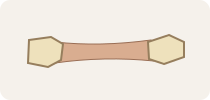
The central strip of tendon below the kneecap is taken with a small bone plug at each end.
If you often kneel at work or during sport, mention this at your appointment, as kneeling can be uncomfortable after harvest.
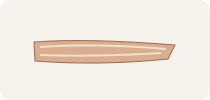
A section of tendon above the kneecap is taken, with or without a small bone plug.
It provides a thick graft and preserves the hamstring tendons.
Regaining the strength to straighten the knee is an important part of rehabilitation.
Recovery takes place in stages.
First, we work on swelling, movement and strength.
Running, slowing down, jumping and sport-specific movements follow.
Before you return to play, your surgeon and physiotherapist consider healing time, strength, movement control and how your knee responds to training.